Whether you rely on your truck for work or daily life, keeping it in top condition is essential. An unexpected breakdown can lead to lost time, lost income, and significant stress. A reliable truck repair shop is more than a convenience—it’s a vital partner in maintaining your vehicle’s health and your peace of mind. This guide will help you find the best local services for your needs. From routine maintenance to complex engine work, we’ll cover what to look for, what questions to ask, and how to choose a mechanic you can trust, ensuring you get the right help in your community.
Understanding Your Truck’s Specific Repair Needs
Differentiating Between General and Diesel Truck Repair
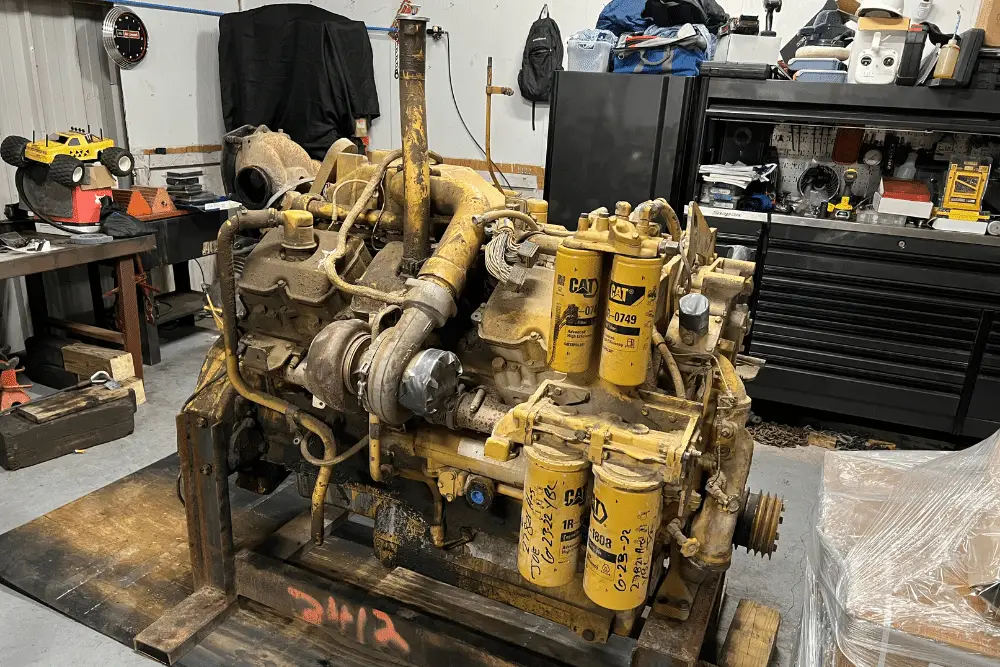
Not all trucks are the same, and neither are the mechanics who service them. The biggest difference is between gasoline and diesel engines. While a general auto shop can handle many common issues, a search for diesel truck repair near me often leads to specialists for good reason. Diesel engines use compression ignition and don’t have spark plugs like their gasoline counterparts. They are built for higher torque and durability, but this robust design includes a unique set of components and potential issues.
Specialized diesel problems often involve systems that gasoline engines lack, such as:
- Complex Fuel Injection Systems: High-pressure common rail systems and intricate injectors require specialized tools and knowledge to diagnose and repair.
- Turbochargers: While some gas engines have turbos, they are standard on nearly all modern diesel trucks. Servicing them requires expertise in boost pressure, wastegates, and bearing wear.
- After-treatment Systems: Diesel Particulate Filters (DPF), Selective Catalytic Reduction (SCR), and Diesel Exhaust Fluid (DEF) systems are essential for emissions control and can cause major performance issues if not properly maintained.
A general mechanic may be great for brake jobs or suspension work on any truck. However, when you face engine-specific problems like black smoke, power loss, or DPF warnings on your diesel, a specialized technician is crucial for an accurate and efficient diesel engine repair.
Identifying Common Truck Problems
Your truck usually provides warning signs before a major failure. Recognizing these symptoms is the first step toward preventative action. Ignoring them can turn a minor fix into a major overhaul. Pay close attention to any changes in your vehicle’s performance, sounds, or dashboard lights, as early diagnosis is key to minimizing downtime and repair costs.
Here are common problems grouped by system:
- Engine Issues: Watch for the “Check Engine” light, unusual exhaust smoke (white, blue, or black), knocking or ticking noises, overheating, or a noticeable drop in power or fuel economy.
- Transmission Troubles: Symptoms include difficulty shifting, slipping out of gear, grinding noises during shifts, or a delay when moving from “Park” to “Drive.”
- Brake System Failures: Squealing or grinding when you apply the brakes is a classic sign of worn pads. Other red flags include a “soft” or spongy brake pedal, the vehicle pulling to one side during braking, or vibrations.
- Electrical Problems: These can range from a dead battery or faulty alternator to flickering lights and malfunctioning gauges. Modern trucks have complex wiring, making professional diagnostics essential.
If you notice any of these signs, it’s time to find a reputable shop and schedule an appointment.
Key Factors When Choosing a Local Truck Repair Shop
What to Look for in a Quality Service Provider
Choosing the right local truck repair shop involves more than just location and price. It’s about finding a skilled, honest partner equipped to handle your vehicle correctly. A great shop can save you thousands over your truck’s lifetime by providing accurate diagnostics and quality repairs. When evaluating options, focus on these key indicators of a reliable truck mechanic and a well-run business.
Use this checklist to find a top-tier service provider:
- Certifications and Expertise: Look for shops with certified technicians. The industry standard in the U.S. is ASE (Automotive Service Excellence) certification. For diesel work, specific training from manufacturers like Cummins, Power Stroke, or Duramax is a significant advantage, demonstrating a commitment to high standards.
- Equipment and Technology: Modern trucks are complex. A reputable shop needs advanced diagnostic scanners and software to accurately read trouble codes and analyze data. For heavy-duty trucks, they must also have the lifts, tools, and bay space to accommodate larger vehicles.
- Customer Reviews and Reputation: A shop’s reputation is easy to find online. Check Google, Yelp, and the Better Business Bureau (BBB) for truck service reviews. Note how the business responds to both positive and negative feedback. A strong local reputation built on word-of-mouth is also a powerful sign of trust.
- Warranty and Guarantees: A confident shop stands behind its work. Ask about the warranty on parts and labor. A 12-month/12,000-mile warranty is common, but this can vary. A clear warranty policy shows professionalism and accountability.
- Transparent Pricing: You should always know what a repair will cost upfront. A quality shop will provide a detailed, written estimate before starting work and will contact you for approval if unexpected issues arise that might change the final price.
Spotlight: Frogtown Automotive in Brooksville, KY
For truck owners in and around Bracken County, finding a shop that meets these criteria is crucial. Frogtown Automotive in Brooksville, KY, is an excellent example of a local business that builds community trust through quality service. Shops like Frogtown Automotive understand the needs of their customers, from farmers who depend on their work trucks to commercial drivers passing through.
By focusing on honest diagnostics and skilled repairs, they have built a reputation as a go-to resource. Whether you need general maintenance, specialized diesel diagnostics, brake service, or suspension work, choosing a trusted local provider like Frogtown Automotive ensures your vehicle is in capable hands. Supporting a local shop also means investing in your community and building a long-term relationship with a mechanic who knows you and your truck.
Common Truck Repair and Maintenance Services
Essential General Truck Services
Every truck, regardless of engine type, needs a core set of maintenance and repair services to remain safe and reliable. These services address the components that experience the most wear and tear during normal operation. Keeping up with this preventative maintenance is the best way to avoid expensive, unexpected breakdowns. A full-service shop should offer a comprehensive menu of general repairs.
Key services include:
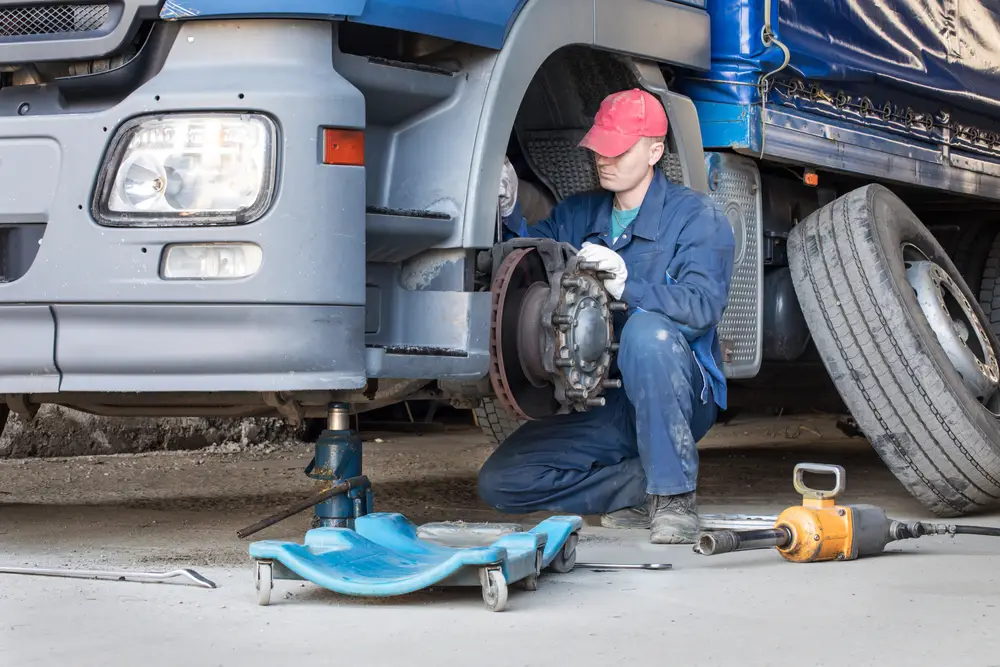
- Brake System Repair: This is a critical safety service, including replacement of worn brake pads and shoes, resurfacing or replacing warped rotors and drums, flushing brake fluid, and inspecting hydraulic lines for leaks.
- Suspension and Steering: A smooth ride and precise control depend on a healthy suspension system. Repairs often involve replacing worn shocks and struts, fixing bad ball joints or tie rod ends, and performing wheel alignments to ensure proper handling and prevent uneven tire wear.
- Electrical System Diagnostics: The electrical system is vital for everything from starting the engine to powering your headlights. Services include battery testing and replacement, alternator and starter repair, and troubleshooting complex wiring issues.
- Tire Services: Proper tire care is essential for safety and fuel efficiency. This includes tire rotation and balancing to promote even wear, flat tire repair, and replacement with new, correctly rated tires for your vehicle’s load capacity.
Specialized Diesel Engine Services
For diesel truck owners, the service list expands to include components unique to these powerful engines. Finding a shop proficient in these specialized truck repair services is crucial for maintaining performance, meeting emissions standards, and protecting your investment. These repairs demand specific tools, advanced truck diagnostics, and deep expertise.
Look for a shop that offers:
- Fuel System Repair: This ranges from replacing clogged fuel filters to diagnosing and replacing high-pressure fuel pumps and faulty injectors, which are key to a diesel’s power and efficiency.
- Turbocharger Service: A turbo is a high-performance component that can fail from oil starvation or wear. Service may involve inspection, cleaning, rebuilding, or complete replacement to restore lost power.
- DPF (Diesel Particulate Filter) Maintenance: A clogged DPF can cripple your truck. Services include forced regeneration (a process that burns off soot), professional cleaning, or replacement of the filter.
- Engine Diagnostics and Overhaul: For major issues like internal damage or severe wear, a shop must be able to perform an engine overhaul. This involves disassembling the engine to replace pistons, bearings, and other critical internal parts.
- Emission System Repairs: Modern diesels use DEF fluid and SCR systems to reduce emissions. Mechanics must be able to diagnose and fix issues with DEF pumps, sensors, and heaters to keep the truck running cleanly and avoid “limp mode.”
Preparing for Your Truck Repair Appointment
What to Do Before You Go
Arriving at your truck service appointment prepared can speed up the diagnostic process and ensure the mechanic has all the necessary information. A little prep work on your end helps the technician focus on the problem more efficiently, potentially saving you time and money. It also empowers you to advocate for yourself and your vehicle.
Before you drop off your truck, follow this simple checklist:
- Document the Symptoms: Be specific. Instead of saying “it’s making a weird noise,” write down “a high-pitched squeal occurs when turning left at low speeds, but it stops when I brake.” Note when the problem started and if it’s constant or intermittent.
- Gather Service History: If you have maintenance records, bring them. Knowing when the oil was last changed or the brakes were last serviced gives the mechanic valuable context.
- Check Warranty Information: If your truck or a previous repair is still under warranty, have that information ready. It could cover the cost of the work.
- Clean Out Your Truck: Remove valuables and clutter from the cab and bed. This shows respect for the technician’s workspace and prevents your personal items from getting lost or damaged.
Communicating Effectively with Your Mechanic
Clear communication is the foundation of a good relationship with your mechanic. Don’t be intimidated by technical jargon; a good technician should be able to explain the problem and the proposed solution in terms you can understand. Your goal is to be an informed partner in the repair process. Effective communication prevents misunderstandings and ensures you’re comfortable with the work being performed.
When discussing the repair, remember to:
- Describe the Problem Clearly: Use your notes to provide a detailed, accurate description of the issue. A video or audio recording of the problem can also be very helpful.
- Ask Questions: Don’t hesitate to ask about the diagnostic process, the parts being used (e.g., OEM vs. aftermarket), and the estimated time for the repair.
- Request a Detailed Written Estimate: Before authorizing any work, ask for an itemized estimate that breaks down the costs of parts and labor. This is essential for getting a repair quote that is transparent and fair.
- Discuss Alternatives: Ask if different repair options are available. For example, can a component be repaired, or must it be replaced? This helps you make a decision that fits your budget and long-term plans for the truck.
Frequently Asked questions About Truck Repair
Q1: How often should I get my truck serviced?
A: Your truck’s owner’s manual is the best guide. As a general rule, plan for an oil change and basic inspection every 5,000 to 7,500 miles for gasoline trucks and every 10,000 to 15,000 miles for modern diesels. Heavy towing may require more frequent service.
Q2: What are the most common truck repairs?
A: The most frequent repairs include brake pad and rotor replacement, battery and alternator replacement, tire services, and fixing fluid leaks (oil, coolant, or transmission fluid).
Q3: How can I find a trustworthy diesel mechanic near me?
A: Start by checking online reviews on Google and Yelp. Ask for recommendations from other diesel truck owners or in local forums. Finally, confirm that the shop’s technicians have ASE or manufacturer-specific certifications for diesel engines.
Q4: Is it more expensive to repair a diesel truck than a gasoline truck?
A: Generally, yes. The truck repair cost for diesels can be higher because their components are often larger, more complex, and built to be more robust. The need for specialized labor and diagnostic equipment also contributes to the cost.
Q5: What should I do if my truck breaks down on the road?
A: Your first priority is safety. Pull over to the shoulder as far as possible, turn on your hazard lights, and set out reflective triangles if you have them. Once you are in a safe spot, call a roadside assistance service or a local towing company.
Q6: How long do truck repairs typically take?
A: This varies widely. A simple brake job or oil change may take a few hours. A complex diagnostic issue or a major repair like a transmission rebuild could take several days or even weeks, especially if parts need to be ordered.
Q7: What kind of warranty should I expect on truck repairs?
A: Most reputable shops offer a warranty on parts and labor. A common standard is 12 months or 12,000 miles, but some shops offer longer warranties (e.g., 24 months). Always get the warranty details in writing.
Q8: Can regular maintenance prevent major truck repairs?
A: Absolutely. Preventative maintenance is the single most effective way to avoid costly, unexpected breakdowns. Regularly changing fluids, inspecting brakes, and rotating tires helps you address small issues before they become major failures.
Q9: What questions should I ask before authorizing a repair?
A: Always ask for a detailed written estimate, a clear explanation of what is wrong and why the repair is needed, the estimated completion time, and the warranty details for both parts and labor.
Q10: Are there mobile truck repair services available?
A: Yes, many areas have mobile mechanics who can perform certain on-site repairs, like battery replacements, tire changes, and some diagnostics. However, major repairs that require lifts and specialized equipment must be done at a physical shop.